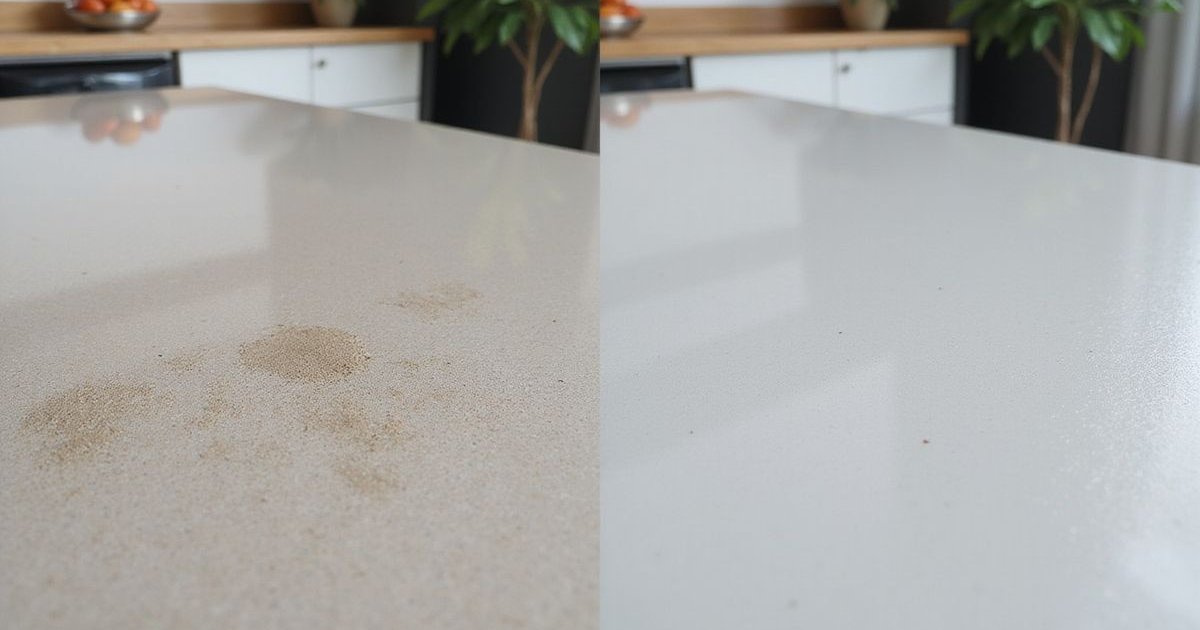
5 Signs Your Home Needs a Deep Cleaning
Is it time for a deep clean? Learn the telltale signs that your home needs more than just regular maintenance cleaning.
Even with regular tidying, homes gradually accumulate dirt, grime, and hidden buildup in places we rarely check. You might scrub the counters daily, but how do you know when it is time to schedule a professional deep clean?
We find that many homeowners in Kuala Lumpur and Selangor struggle to distinguish between a standard tidy-up and the need for intensive remediation. Here are five telltale signs that your home requires more than just routine maintenance.
1. Visible Dust on Ceiling Fans and Light Fixtures
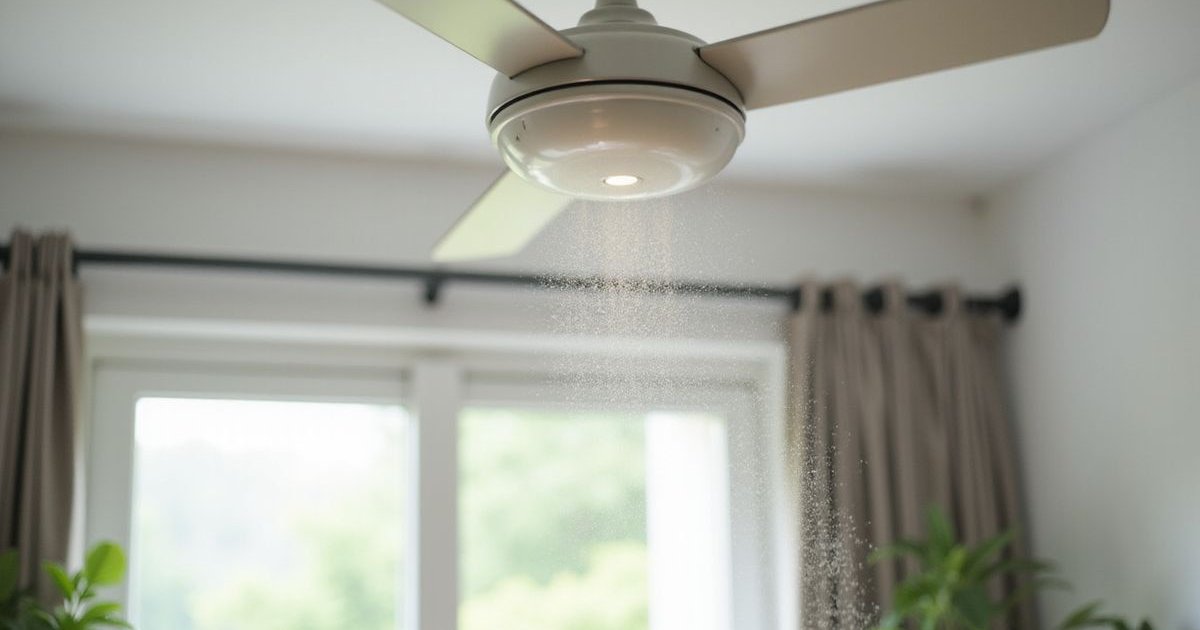
Walk into any room in your house and look up. Can you see a visible, fuzzy layer on your ceiling fan blades or a cloudy film on your light fixtures?
What You Will Notice
- Thick “Grey Wool”: Heavy dust coating the leading edge of fan blades.
- The “Wobble” Effect: Fans that seem unbalanced due to uneven weight distribution from debris.
- Dimmer Lighting: Light covers appearing yellowed or opaque rather than clear.
- Corner Cobwebs: Wispy strands collecting in the upper angles of the room.
- Debris Shower: Dust flakes falling onto bedding or furniture when fans are switched on.
The Humidity Factor
We see a specific issue in Malaysian homes known as “sticky dust.” High humidity (often averaging 80% in KL) mixes with airborne particles to create a cement-like layer on fans.
Regular feather dusting pushes this sticky grime around rather than removing it. This buildup circulates allergens throughout your home every time you turn on the fan.
The Solution
A deep clean addresses these elevated areas with precision. We use ladders and specialized degreasing agents to cut through the humidity-hardened layer on fans, light fixtures, and air vents.
2. Grime Around Kitchen Appliances and Cabinets
Your kitchen sees daily activity, but certain areas collect grease that a standard sponge wipe cannot handle.
What You Will Notice
- The Yellow Film: A sticky, yellowish residue on top of the fridge or cabinets.
- Touch Test Failure: Cabinet handles feel tacky even after wiping.
- Gaps and Cracks: Dark lines of grime between the stove and the countertop.
- Appliance Discoloration: White appliances turning slightly yellow near heat sources.
The “6-Foot Rule” Comparison
Grease particles from cooking can travel up to six feet from your stovetop before settling. Here is how deep cleaning differs from standard cleaning in the kitchen:
| Standard Cleaning | Deep Cleaning |
|---|---|
| Wiping counter surfaces | Degreasing behind and under appliances |
| Cleaning stovetop | Scrubbing exhaust hood filters and interior |
| Wiping cabinet fronts | Cleaning inside cabinets and top ledges |
| Emptying the trash | Sanitizing the bin and surrounding area |
Why It Matters
Kitchen grime is more than just unsightly. Accumulated grease creates a breeding ground for pests common in Selangor, such as cockroaches and ants. It also poses a fire risk if left unchecked on exhaust hoods.
The Solution
Deep cleaning involves heavy-duty degreasers that break down polymerized oil. This restores the slick, non-sticky feel to your surfaces and eliminates the food sources that attract pests.
3. Bathroom Tile Grout Has Changed Color
Look closely at the lines between your bathroom tiles. Is the color consistent with the original installation, or have specific areas turned dark, orange, or pink?
What You Will Notice
- Discoloration: White grout looking grey, brown, or uneven.
- Pink Slime: A pinkish film in corners (often Serratia marcescens bacteria).
- Black Spots: Visible mold spores rooting into the porous grout.
- ** stubborn Scum:** Soap residue on glass doors that resists standard glass cleaner.
The Reality Check
Grout is porous, acting like a hard sponge that absorbs moisture and dirt. In our experience, once mold roots into the pores of the grout, surface scrubbing is no longer effective.
If you see pink or black spots, you are dealing with biological growth, not just dirt. This is frequently caused by the constant humidity trapped in Malaysian bathrooms.
Why It Matters
Dirty grout compromises the hygiene of the entire room.
- Health Risk: Mold spores can trigger respiratory issues.
- Structural Damage: Unchecked grime can degrade the grout, leading to water seepage.
- Aesthetics: It makes a sanitized bathroom look dirty to guests.
The Solution
Deep cleaning utilizes industrial-grade scrubbers and specific mold-treatment solutions. We focus on lifting the stains from deep within the grout pores rather than just wiping the surface.
4. Persistent Odors You Can’t Identify
You have taken out the trash, washed the linens, and mopped the floor, yet a strange smell remains.
What You Will Notice
- The “Musty” Arrival: A damp smell hits you the moment you walk through the front door.
- Humidity Spikes: The smell worsens during rainy evenings or monsoon season.
- Localized Smells: Certain corners of the living room or bedroom smell stale.
- Masking Failure: Air fresheners cover the scent for an hour but do not remove it.
Common Hidden Sources
- Soft Furnishings: Curtains and sofas absorbing cooking smells and moisture.
- AC Units: Mold growth inside the blower wheel or filters.
- Hidden Dampness: Moisture trapped behind wardrobes or heavy furniture.
- Decomposing Dust: Organic matter rotting in hidden crevices.
Why It Matters
Persistent odors are usually a sign of active bacteria or mold growth. We often find that “nose blindness” occurs, where residents become desensitized to smells that are immediately obvious to guests.
The Solution
Deep cleaning targets the source, not the symptom. This includes moving furniture to clean underneath, sanitizing soft furnishings, and treating drains where organic matter accumulates.
5. Allergies Seem Worse at Home
If you or your family members sneeze more indoors than outdoors, your home environment is likely the trigger.
What You Will Notice
- Morning Congestion: Waking up with a stuffy nose or itchy eyes.
- The “Better Outside” Effect: Symptoms clear up when you leave the house or go on vacation.
- Skin Irritation: Unexplained rashes or itchiness after sitting on the sofa.
- Asthma Flare-ups: Increased difficulty breathing, especially at night.
The Dust Mite Reality
Studies indicate that a single gram of dust can contain up to 1,000 dust mites. These microscopic pests thrive in our tropical climate.
Why It Matters
Standard vacuuming often lacks the suction power or HEPA filtration needed to remove fine allergens. Instead, it may simply blow dust back into the air.
- Sleep Quality: Allergens in mattresses disrupt deep sleep.
- Long-term Health: Continuous exposure can lead to chronic respiratory sensitivity.
- Child Safety: Young children playing on carpets are most at risk.
The Solution
Our deep cleaning protocols focus on allergen extraction. We use high-efficiency equipment to remove fine particulate matter from mattresses, upholstery, carpets, and air vents.
Bonus Signs It Is Deep Clean Time
Beyond the five main physical signs, specific life events also dictate the need for a reset.
- Guest Preparation: Hosting relatives for holidays requires a pristine standard.
- The 90-Day Mark: Quarterly deep cleaning is the maintenance standard for tropical homes.
- Festive Seasons: Preparation for Hari Raya, CNY, or Deepavali.
- Post-Illness: Deep sanitization prevents the spread of flu or bugs to other family members.
- New Occupancy: Ensure a fresh start when moving into a sub-sale property.
- Pet Activity: Increased dander requires more frequent deep intervention.
The Self-Assessment Checklist
Take this list and walk through your home now.
Kitchen:
- Is there a sticky film on top of the fridge?
- Do cabinet handles feel tacky?
- Is there dark grime between the stove and counter?
- Does the exhaust hood have visible yellow grease?
Bathroom:
- Is the grout color uneven or dark?
- Do you see pink or black spots in corners?
- Is there hard water scale on the taps?
- Does the room smell damp after drying?
Living & Bedrooms:
- Are fan blades coated in thick dust?
- Is there dust behind the TV console?
- Do curtains smell stale?
- Are there cobwebs in the ceiling corners?
If you checked 5 or more boxes, your home is overdue for professional attention.
What to Do Next
Recognizing these signs is the first step toward a healthier living environment.
- Don’t Stress: Buildup is a natural result of living in a home, not a failure of cleaning.
- Schedule the Service: Block out a date for a professional team to reset your baseline.
- Plan Maintenance: Consider a quarterly schedule to prevent heavy accumulation.
The Bottom Line
These signs are not about having a “dirty” home. They are about the natural accumulation that happens over time, especially in our humid climate. Identifying the need for a deep clean ensures you protect both your property value and your family’s health.
Ready to address these signs? 22 Cleaning Service specializes in thorough deep cleaning that tackles all these problem areas. Book your deep clean today.
Found this helpful?
Share this article with friends or contact us for professional cleaning services.